Vol. XVIII · Free shipping $75+ · Read the collection
Feature · Product Review
cytosolic glutathione-dependent redox potential

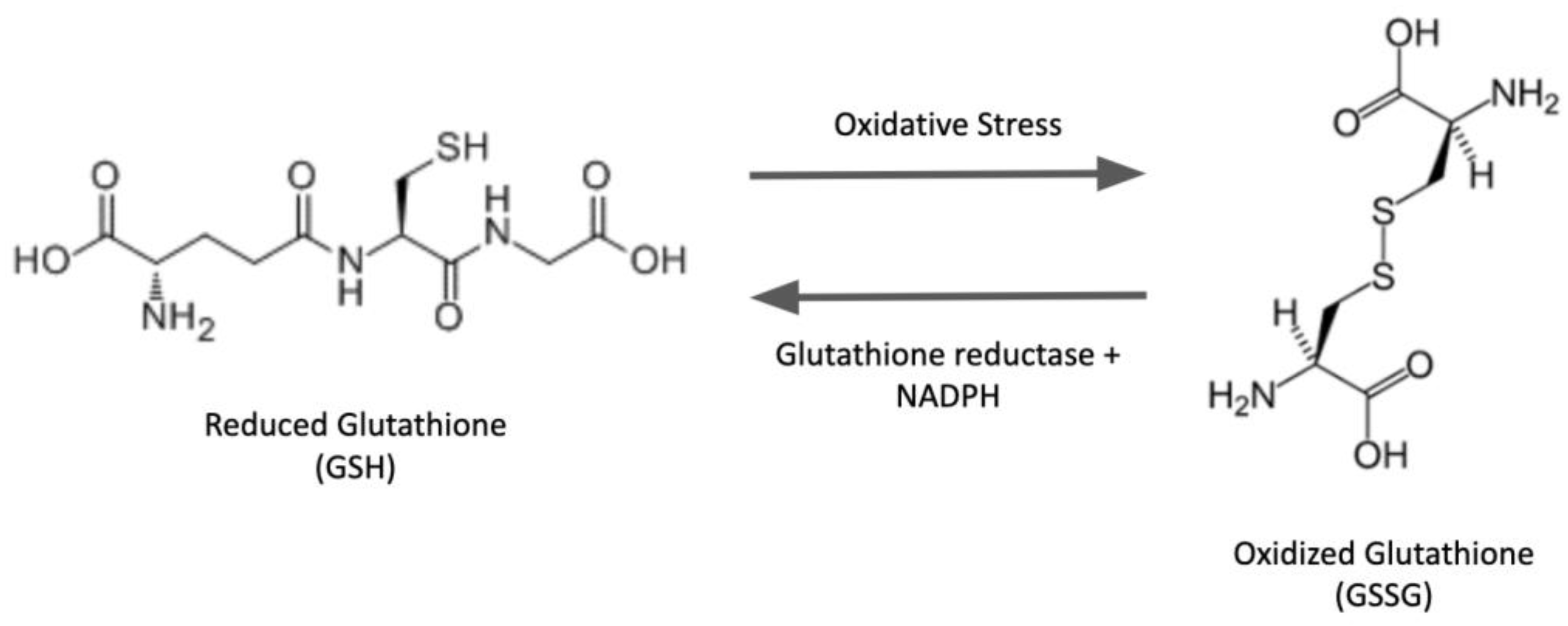
cytosolic glutathione-dependent redox potential Regulation of the homeostasis by glutathione (GSH), thioredoxin Redox characteristics of the eukaryotic

Redox characteristics of the eukaryotic cytosol ScienceDirect Glutathione and GlutaredoxinKey Players in Cellular Redox Homeostasis and Signaling The role of glutathione reductase and related enzymes on cellular redox homoeostasis network ScienceDirect Visualization of the Redox Status of Cytosolic Glutathione Using the Organelle and Cytoskeleton Targeted Redox Sensors Protein S glutathionylation in redox signaling A. Mitochondrial redox Download Scientific Diagram

SKU: 89741541404 · From hgidocs.co

4.8
USD23.60 USD44.60

Pay in 4 interest-free payments of $5.90 Learn more

Shipping Estimate
USA
  • USA
  • CAN

Ships within 48 hours · Estimated delivery Jul 31 - Aug 5

Description

Symptoms: what high B12 feels like Heres what high B12 symptoms feel like: High vitamin B12 itself rarely causes symptoms

cytosolic glutathione-dependent redox potential Regulation of the homeostasis by glutathione (GSH), thioredoxin Redox characteristics of the eukaryotic

facility with tracking

cytosolic glutathione-dependent redox potential Regulation of the homeostasis by glutathione (GSH), thioredoxin Redox characteristics of the eukaryotic

Periodontal diseases

cytosolic glutathione-dependent redox potential Regulation of the homeostasis by glutathione (GSH), thioredoxin Redox characteristics of the eukaryotic

We collected clinical data on these patients to confirm WD, exclude other liver conditions and to calculate the Leipzig score

cytosolic glutathione-dependent redox potential Regulation of the homeostasis by glutathione (GSH), thioredoxin Redox characteristics of the eukaryotic

This report provides a realistic, fact-based explanation without overstating claims or promoting non-approved uses." What the 2026 Report Reveals About AOD-9604 As explained in the new analysis, AOD-9604 is a lipolytic fragment and modified peptide derived from the C-terminus of human growth hormone (HGH), originally developed to explore mechanisms related to fat metabolism, lipolysis, and how the body may burn fat or influence fat cells without affecting growth hormone levels

cytosolic glutathione-dependent redox potential Regulation of the homeostasis by glutathione (GSH), thioredoxin Redox characteristics of the eukaryotic
Exchange/Return Notes
  • We offer a 30-day return/exchange service after receiving.
  • Final sale items are not eligible for returns or exchanges.
  • To process your return/exchange, please contact us at [email protected]
  • Please click here for more details>>> Return & Exchange Policy

You may also like

recommand products