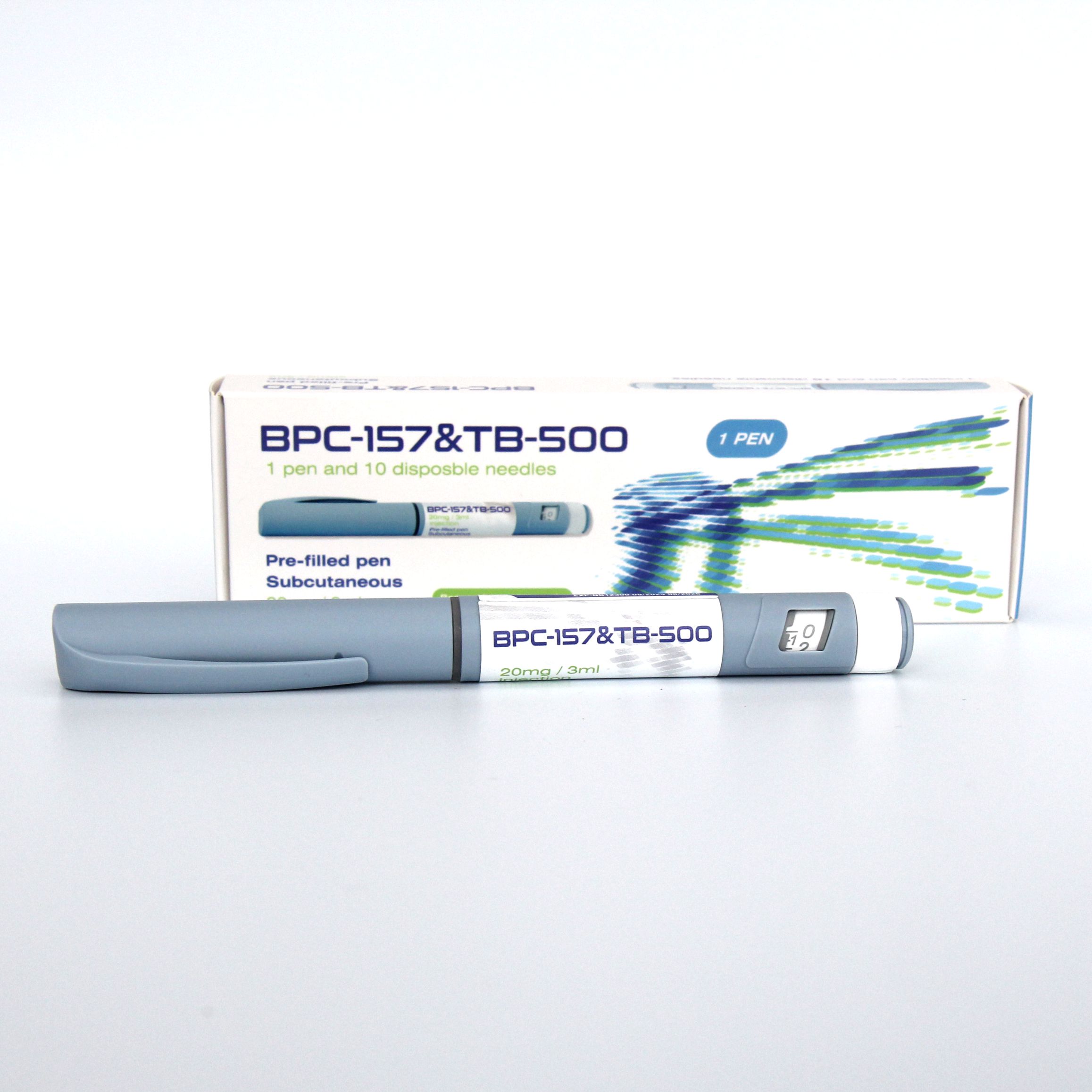
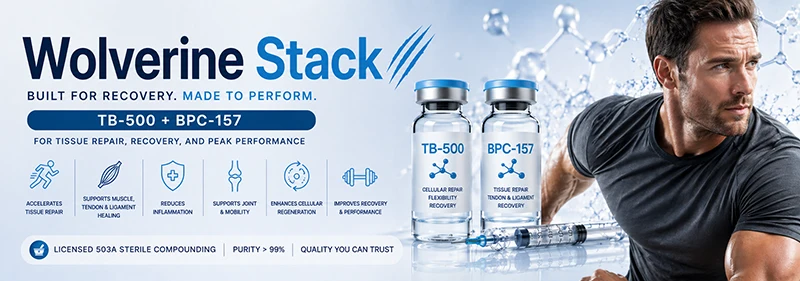
Potential Benefits of Glow Peptide Increased Collagen Production GHK-Cu stimulates your body's natural collagen and elastin synthesis for firmer, more resilient skin Reduced Fine Lines and Wrinkles Promotes skin remodeling and repair that smooths visible signs of aging over time Accelerated Wound Healing BPC-157 and TB-500 speed up recovery of damaged skin from scars, sun damage, or procedures Improved Skin Firmness and Elasticity Restores structural proteins that keep skin tight and youthful Reduced Inflammation Calms inflammatory responses that contribute to redness, puffiness, and premature aging Hyperpigmentation Improvement May help even out skin tone and reduce dark spots caused by sun exposure or hormonal changes Enhanced Skin Clarity and Tone Promotes overall radiance and a healthy, even complexion from the inside out Anti-Aging at the Cellular Level Works beneath the surface to trigger real tissue regeneration, not just cosmetic masking What Is Glow Peptide For
Paulus A, Malavasi F, Chanan-Khan A
increasingly used for moderate-to-severe CD Antibiotics: Metronidazole, ciprofloxacin for perianal disease, fistulae, abscesses Coding Impact of Biologic Therapy When a patient is receiving biologic therapy for Crohns disease, coders should verify: HCPCS code for the specific biologic agent (J1745, J3357, J3380, J7999) is separately reported for the infusion encounter Infusion administration code (CPT 96413, 96415) is reported with the biologic J-code Long-term use of immunosuppressants should be captured with Z79.899 (long-term use of other medication) when relevant Biologic use combined with Crohns disease supports HCC 35 mapping and higher risk scores When corticosteroid use (prednisone, budesonide) extends beyond 90 days, assign Z79.52 (long-term use of systemic steroids)
This hereditary condition impedes the ileum (the final section of the small intestine) from effectively binding and transporting cobalamin into the bloodstream
Always double-check whether you are working in mg or mcg values