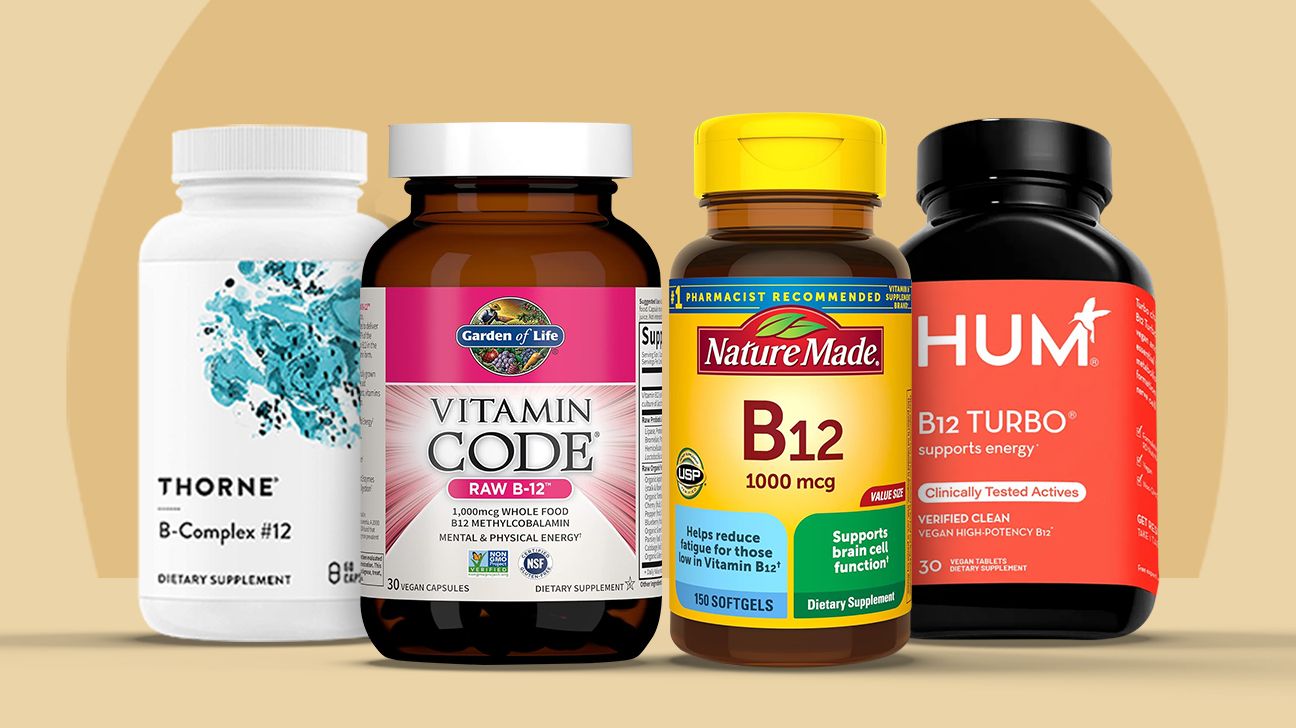
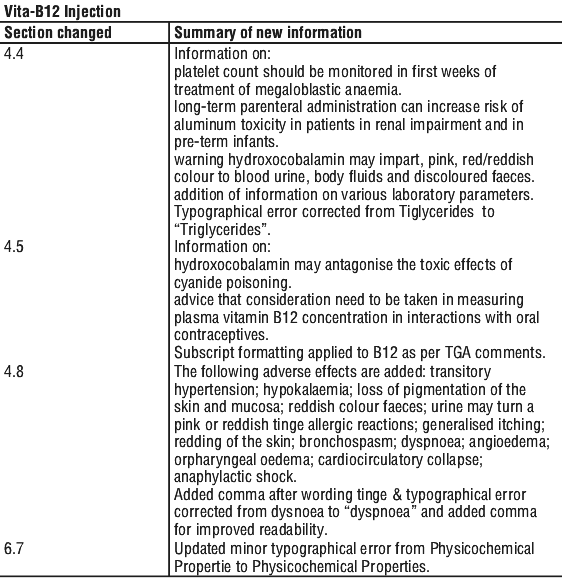
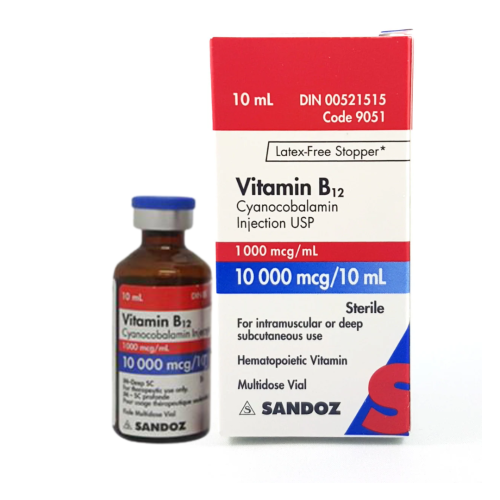
As your symptoms improve, you might only need them every couple of months
BAC water added 1.0 mL Concentration 5 mg/mL (5,000 mcg/mL) 300 mcg dose 0.06 mL / 6 units 500 mcg dose 0.10 mL / 10 units BAC water added 2.0 mL Concentration 2.5 mg/mL (2,500 mcg/mL) 300 mcg dose 0.12 mL / 12 units 500 mcg dose 0.20 mL / 20 units BAC water added 3.0 mL (recommended for accuracy) Concentration ~1.667 mg/mL (1,667 mcg/mL) 300 mcg dose 0.18 mL / 18 units 500 mcg dose 0.30 mL / 30 units 3.0 mL is the most common research-context dilution because it pushes daily draws above 10 syringe units, which makes measurement on a 0.3 mL U-100 syringe easier

People may be at an increased risk of B12 deficiency if they: Consume a vegans or strict vegetarian diet Have eating disorders such as anorexia or bulimia Take antacids or diabetes related drugs that may interfere with B12 absorption Have a history of alcoholism Have a family history of pernicious anaemia Are diagnosed with anaemia Have Crohns disease, irritable bowel or any disease causing malabsorption of nutrients Have an autoimmune disease, such as type 1 diabetes, SLE, Addisons disease Are women with a history of infertility or multiple miscarriages Each ml contains 1000mcg of hydroxocobalamin Injectable water Suitable for vegans and vegetarians
Vitamin B12 injections nearby are essential for the metabolism of fats and carbohydrates
Tiaminal B12 injections are given based on a doctors evaluation of the patients needs and health