Jung MK, Okekunle AP, Lee JE et al (2021) Role of branched-chain amino acid metabolism in tumor development and progression
Subsequent research by Robinson et al
Studies show that oral doses of carnitine can increase fat break down and decrease muscular fatigue after a work out

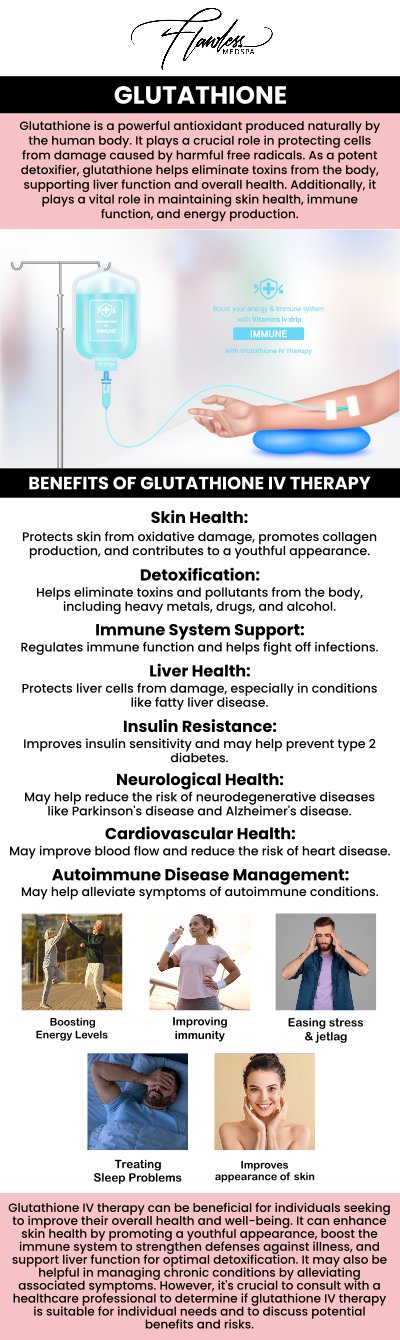
What May Hurt Your Glutathione Levels The factors that could reduce your glutathione levels may include: Not getting enough protein (especially cysteine-rich protein) Having insufficient amounts of B12, B6, folate, and serine - which are important for cysteine metabolism Inadequate intake of Vitamin C, E, and selenium Inadequate intake of other B vitamins like riboflavin High oxidative stress load from things like poor diet, smoking, excessive alcohol intake, or environmental pollutant exposures High insulin and poor glucose control High levels of exercise What May Help Your Glutathione Levels The factors that could support healthy glutathione levels may include: Getting enough protein Ensuring adequate intake of vitamins and minerals, especially C, E, B vitamins, and selenium, without overdoing it Quitting smoking Reducing alcohol Managing environmental xenobiotic exposures Eating to support your workouts and activity level, including an antioxidant-rich diet Getting plenty of omega 3 fats Some studies report that cruciferous vegetables may have a positive effect on GSH levels
What is peptide therapy, and why is it marketed mostly to men