It is typically used to treat joint pain, arthritis, ligament and tendon injuries, post-surgical recovery, nerve problems, and digestive issues such as IBD or leaky gut

Sermorelin May Be Right If You: Are experiencing symptoms of age-related growth hormone decline Have confirmed low or declining IGF-1 levels Struggle with poor sleep quality Want to improve energy, metabolism, and body composition Are interested in long-term anti-aging support Want a peptide with prior FDA-approved clinical history BPC-157 May Be Right If You: Have specific joint, tendon, or ligament pain Are recovering from a musculoskeletal injury Experience chronic inflammatory conditions Have gut health or digestive issues Want faster, targeted results for specific complaints Are looking for tissue-healing support Both May Be Right If You: Have combined hormonal and tissue-healing goals Want comprehensive optimization across multiple systems Are an active adult dealing with both age-related decline and injury recovery Have been evaluated by a physician and cleared for dual-peptide therapy Safety, Side Effects, and Medical Guidance Sermorelin Safety Profile Sermorelin has a well-established safety record based on its clinical history and prior FDA-approved status

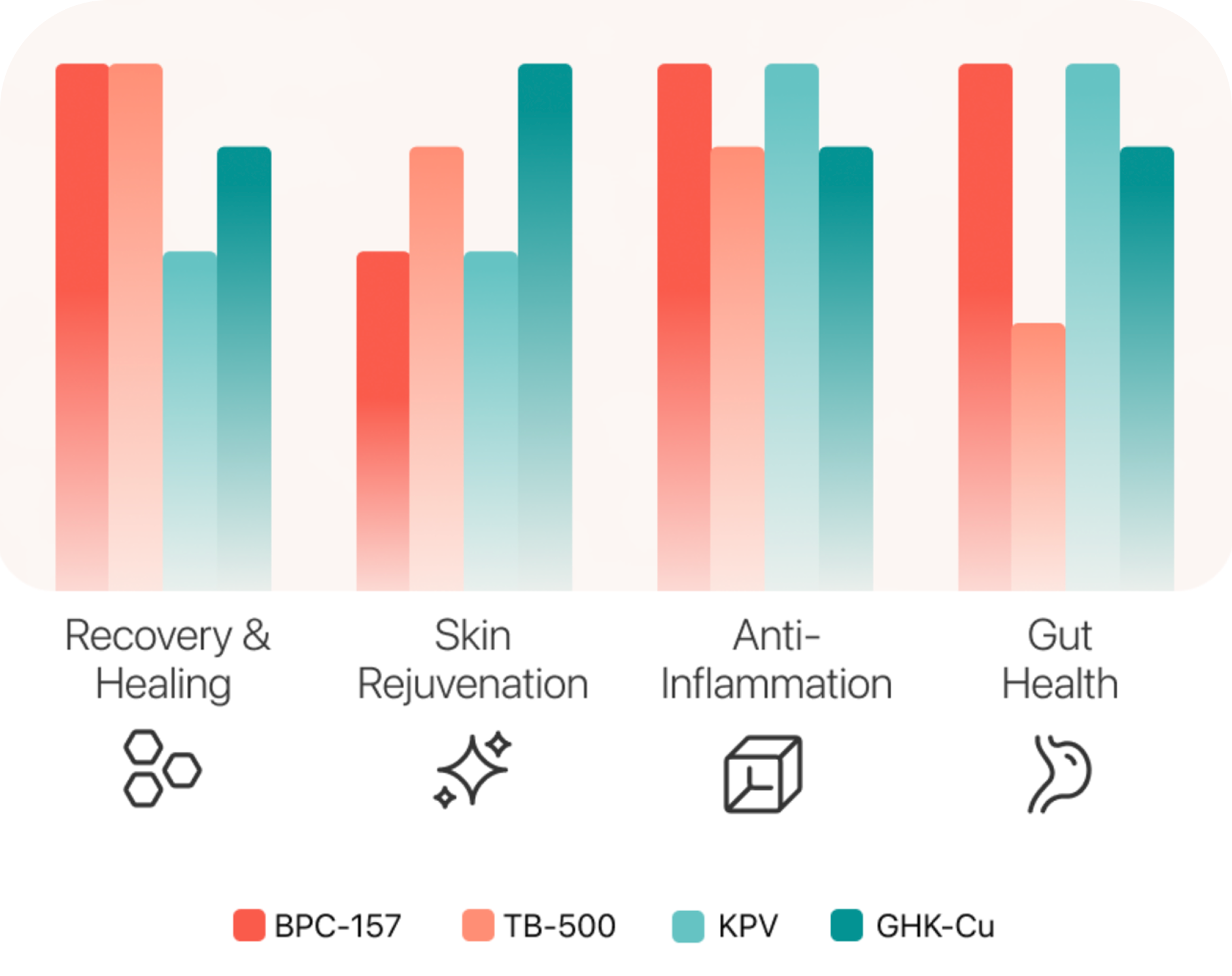
KPV, a naturally occurring tripeptide derived from -MSH, is being researched for its potent anti-inflammatory properties and ability to downregulate pro-inflammatory cytokines
Vitamin B12 deficiency treatment Treating the underlying cause Any specific cause of vitamin B12 deficiency must be addressed, eg, improving diet to increase vitamin B12 intake, stopping or changing any medicine that is causing vitamin B12 deficiency, or stopping recreational use of nitrous oxide
Neurological models consider a potential role in supporting peripheral nerve regeneration and limiting neurotoxic damage