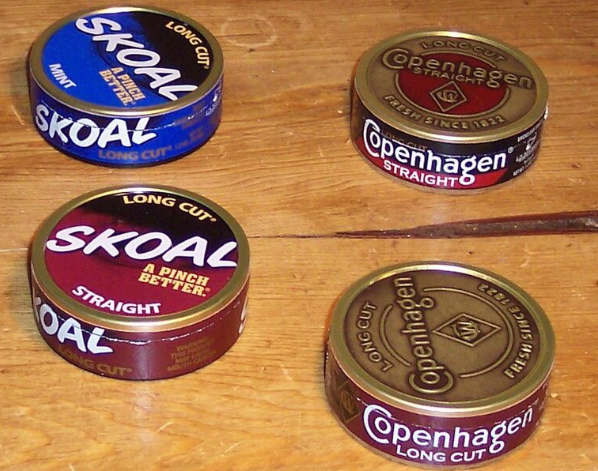
A successful lobbying campaign BAT first launched its nicotine pouches into the Kenyan market in 2019
Rockville, MD 2020
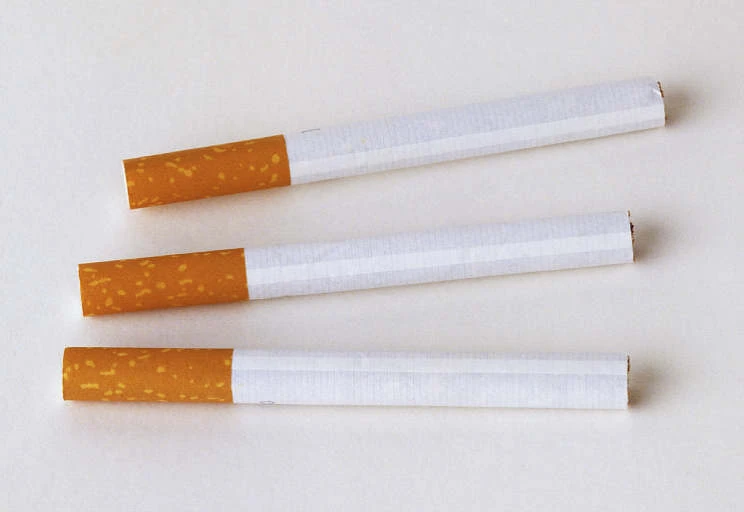
By the late 1990s, demand for US tobacco had declined sharply in domestic and foreign markets due to strong competition from international tobacco producers and declines in US consumption of tobacco products.[12] From 1997 to 2007, the number of US farms producing tobacco decreased by 83 percent,[13] with volume down by 57 percent from 1997 to 2012.[14] Following the tobacco buyout, many small farmers left tobacco and transitioned to alternative crops, while larger farms expanded and consolidated operations.[15] According to a 2010 study by the Center for Tobacco Grower Research, a Tennessee-based organization researching tobacco production, economics, and markets, following the tobacco buyout, average acreage per tobacco farm in the US tripled.[16] The study found that as farm size increased, so did the reliance on hired farm labor relative to unpaid family labor.[17] Tobacco Types, Farming, and Curing There are several varieties of tobacco grown in the United States, distinguished and defined by both the characteristics of the leaves and the manner in which they are harvested and cured.[18] The most common types of tobacco produced in the US are flue-cured and burley tobacco

Baseball commissioner Rob Manfred mentioned Cora by name 11 times in a nine-page report Monday, describing him as a key person in the planning and execution of the cheating scheme
Even the concentration of nicotine found in cigarettes is being altered by manufacturers to accommodate the evolving needs of cigarette smokers