For NAD+ treatment, I use two options
Is GHK-Cu Naturally Occurring in the Body
What's inside What's inside Key Ingredients Benefits Concerns Ingredients Side-by-side Water Skin Conditioning Butylene Glycol Humectant Glycerin Humectant Matrixyl 3000 Acetyl Hexapeptide-8 Humectant Copper Palmitoyl Heptapeptide-14 Skin Conditioning Scutellaria Baicalensis Root Extract Astringent Polyacrylate Crosspolymer-6 Emulsion Stabilising Sodium Hyaluronate Humectant Copper Gluconate Skin Conditioning 1,2-Hexanediol Skin Conditioning T-Butyl Alcohol Perfuming Carbomer Emulsion Stabilising Chlorphenesin Antimicrobial Pentylene Glycol Skin Conditioning Polysorbate 20 Emulsifying Phenoxyethanol Preservative Water, Butylene Glycol, Glycerin, Matrixyl 3000, Acetyl Hexapeptide-8, Copper Palmitoyl Heptapeptide-14, Scutellaria Baicalensis Root Extract, Polyacrylate Crosspolymer-6, Sodium Hyaluronate, Copper Gluconate, 1,2-Hexanediol, T-Butyl Alcohol, Carbomer, Chlorphenesin, Pentylene Glycol, Polysorbate 20, Phenoxyethanol Reviews Be the first to review Write the first review Ingredients Explained These ingredients are found in both products
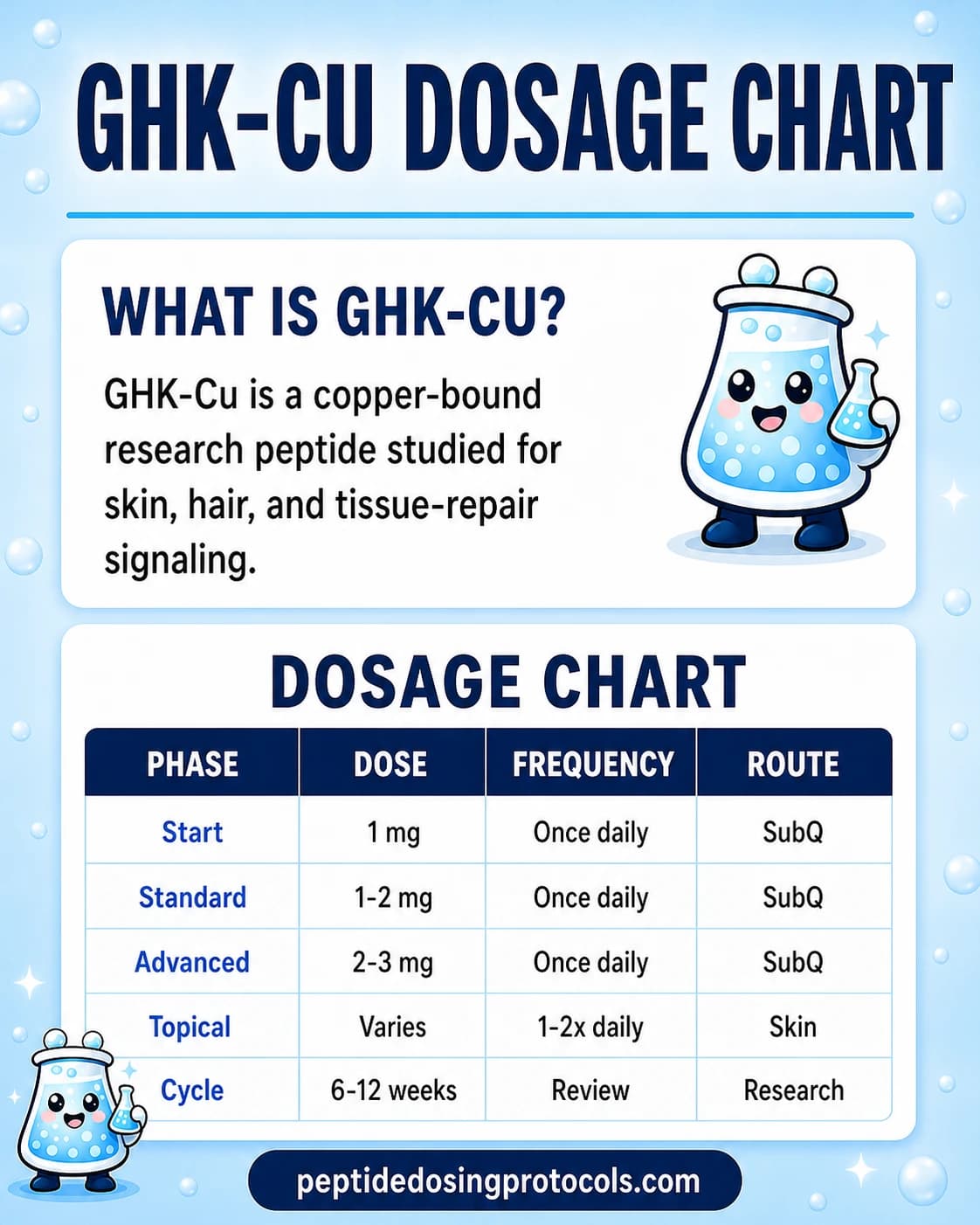
Our objective is to present the pharmacological mechanisms, safety profiles, and regulatory status of prominent approved and unapproved peptides marketed direct to patients, including AOD-9604 (anti-obesity drug 9604), BPC-157 (body protection compound 157), CJC-1295, FS-344 (follistatin-344), GHK-Cu (glycyl-l-histidyl-l-lysine copper), ipamorelin, MOTS-C (mitochondrial ORF of the 12S rRNA type-c), sermorelin, SS-31 (elamipretide), tesamorelin (Egrifta), T4 (thymosin beta-4), and TB-500 (thymosin beta-4 fragment)
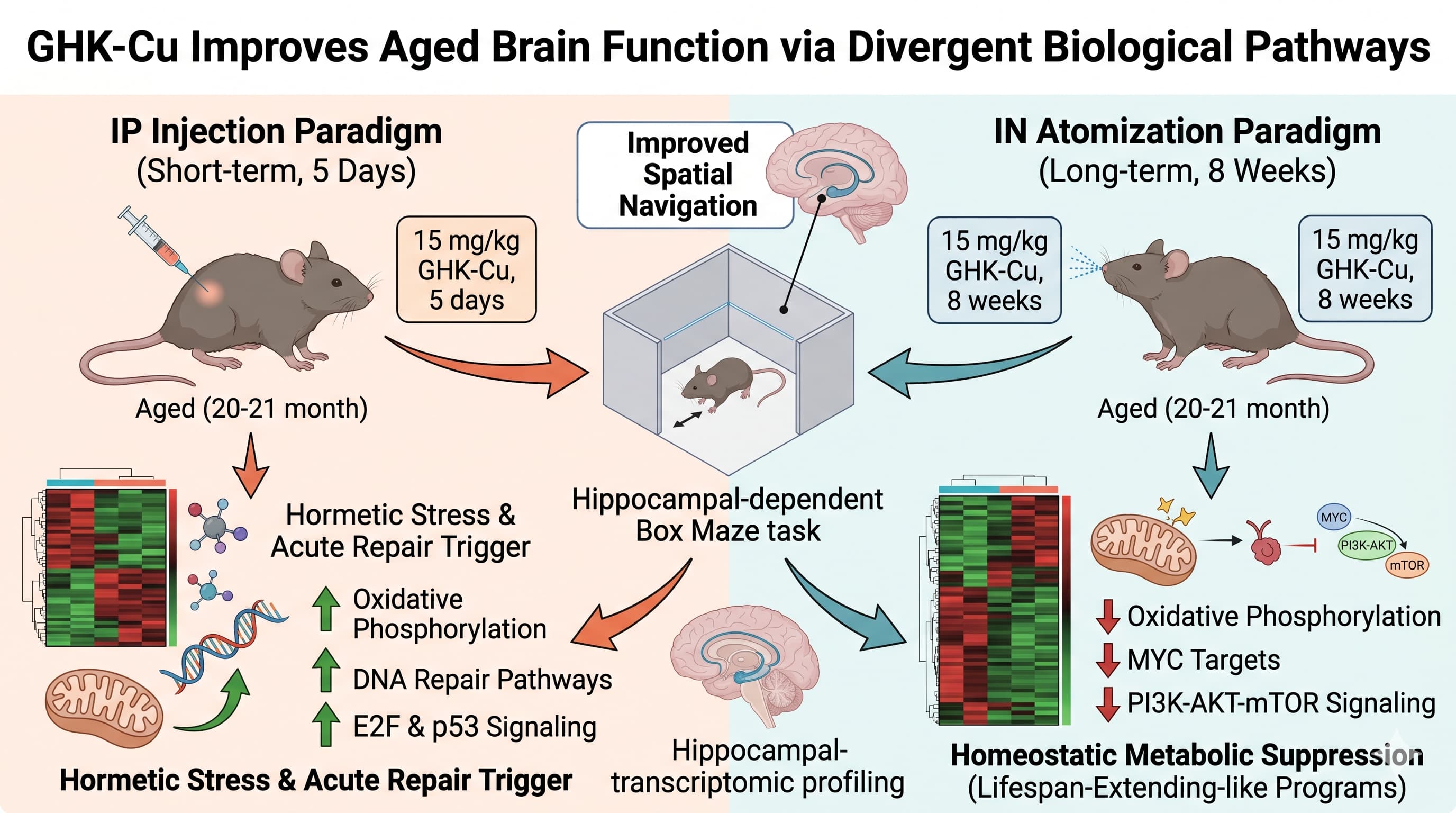
The tripeptide has high affinity for copper, and most of GHK's documented biological activity in the published literature is mediated by the copper complex particularly its effects on antioxidant enzyme activity, ECM remodeling, and gene expression